


By Dahlia Rimmon, RD
Pediatric Dietitian
It took me a while to get the hang of breastfeeding, figuring out where bottles fit in, and finding a schedule that works around naps and the zillion other responsibilities on my plate. And just when I finally felt like we had a rhythm, my baby was ready for solids (isn’t that always how it goes?).
As a mom of four and pediatric dietitian, I’ve learned that babies have a funny way of keeping you on your toes. You can’t predict everything (though I often wish I could!), but there are certain milestones you can watch for that make the unpredictable feel a little more predictable. Knowing when your baby is ready for solids is one of them.
When it comes to starting solids, the most helpful thing to do is look for signs of developmental readiness. These are important signs that show you that your baby has the skills they need to safely add solid food to their daily menu.
I’ll walk you through everything you need to know about starting solids, including when to start, why developmental readiness matters, and some of my favorite foods to kick off your baby’s foodie journey.
When can babies start solids?
Most babies are developmentally ready to begin solid foods around the 6-month-mark. This isn’t some magical birthday when your baby suddenly wakes up ready for a plate of food. It’s more around the age that many babies begin showing the developmental skills they need to safely start eating solids.
Of course, some babies show these signs a little earlier, and others need more time. That’s why your baby’s developmental readiness matters more than the exact age. As your baby gets closer to 6 months, keep an eye out for these signs, so you’re equipped with everything you need to start solids.
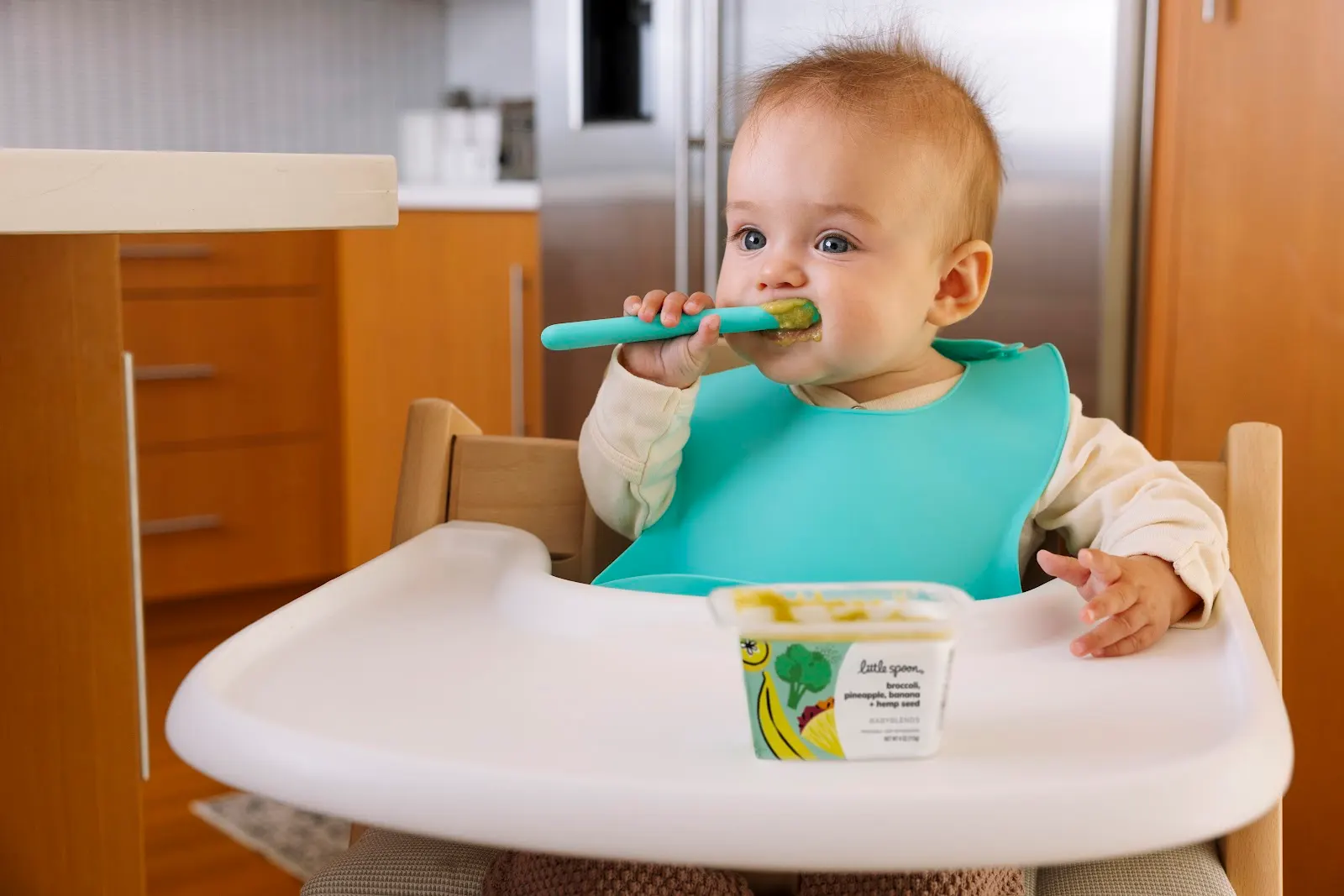
Babies have a funny way of keeping you on your toes.
4 signs your baby is ready
- Your baby can sit up with minimal support: For safety, your babies should be able to sit upright in their highchair without falling forward or tipping to the side. This helps them maintain a safe position for eating and swallowing. A little support is okay—a rolled up towel in their highchair can provide stability, if needed.
- Your baby has steady head control: Your baby can hold their head upright while seated in the highchair. This also ensures they can safely eat and swallow solid food.
- Your baby can bring things to their mouth: While seated, your baby can bring teethers, toys, or spoons to their mouth. This is an important skill for learning how to self-feed and explore food.
- Your baby is interested in food: Does your baby get excited when you eat? Intently watch you at mealtime? Reach for your plate? These are clues that your little foodie is curious about food.
If your baby isn’t quite showing signs yet, don’t rush it. Plenty of tummy time and floor play can help your baby build the core strength they need to keep their head steady and to sit upright. At mealtime, bring your baby to the table to get them curious about food before they take their first bite. I love making exaggerated chewing motions, smacking my lips, and showing my babies that eating is fun and enjoyable.
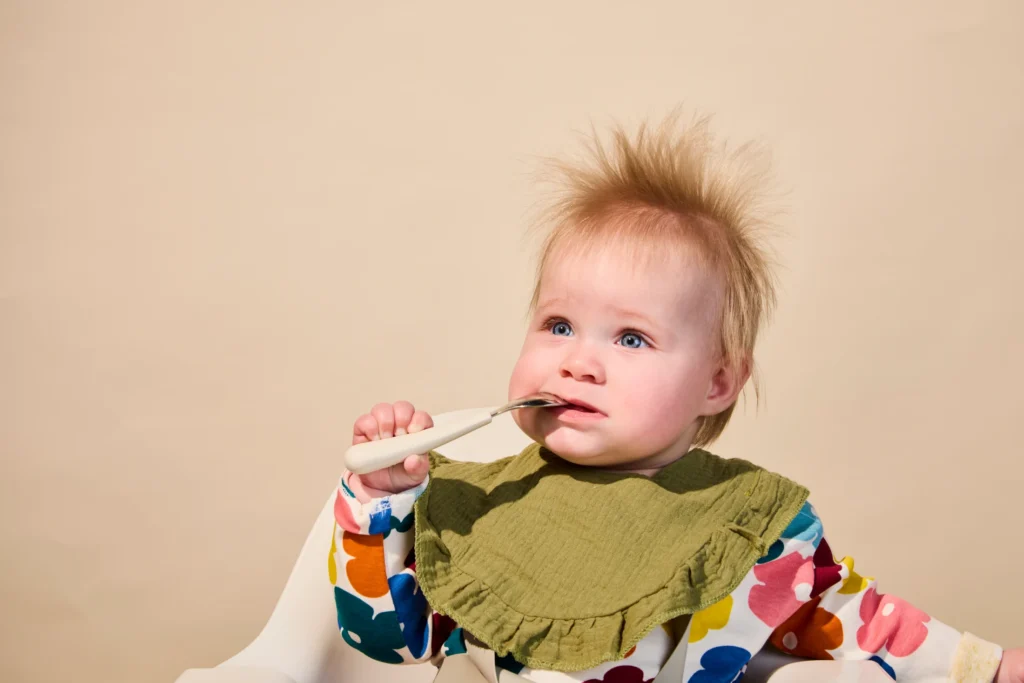
Your baby’s developmental readiness matters more than the exact age.
Myths about starting solids
There’s a lot of advice floating around on the internet about when and how to start solids, and not all of it is accurate. Here’s what you need to know:
Myth: You need to wait until your baby’s tongue-thrust reflex disappears before starting solids.
Truth: This reflex causes your baby’s tongue to automatically push forward when something touches it, like a spoon or food. You may notice this reflex when starting solids, but this reflex actually supports safe eating. If your baby pushes food out, it’s okay. They’re learning how to maneuver food in their mouth. No need to wait for this reflex to disappear.
Myth: Food before one is just for fun.
Truth: Yes, mealtime should be joyful, but your baby’s first bites also provide a ton of essential nutrients for growth, like protein, iron, and healthy fats. Eating also gives your baby a chance to practice oral-motor skills, like chewing.
Myth: Starting solids will help my baby sleep through the night.
Truth: Adding solids to your baby’s diet isn’t a guaranteed ticket to better sleep, and isn’t a research-backed approach for starting solids early. There are many reasons why your baby isn’t sleeping through the night and it’s best to consult your pediatrician or a certified sleep specialist for additional support.
Myth: Babies need teeth to eat solid food.
Truth: Nope! Babies have surprisingly strong gums that they use to mash food in their mouth. Plus, we use our molars to chew and those are the last teeth to come in, well after the first birthday. Waiting for teeth would mean waiting a very long time to start eating!
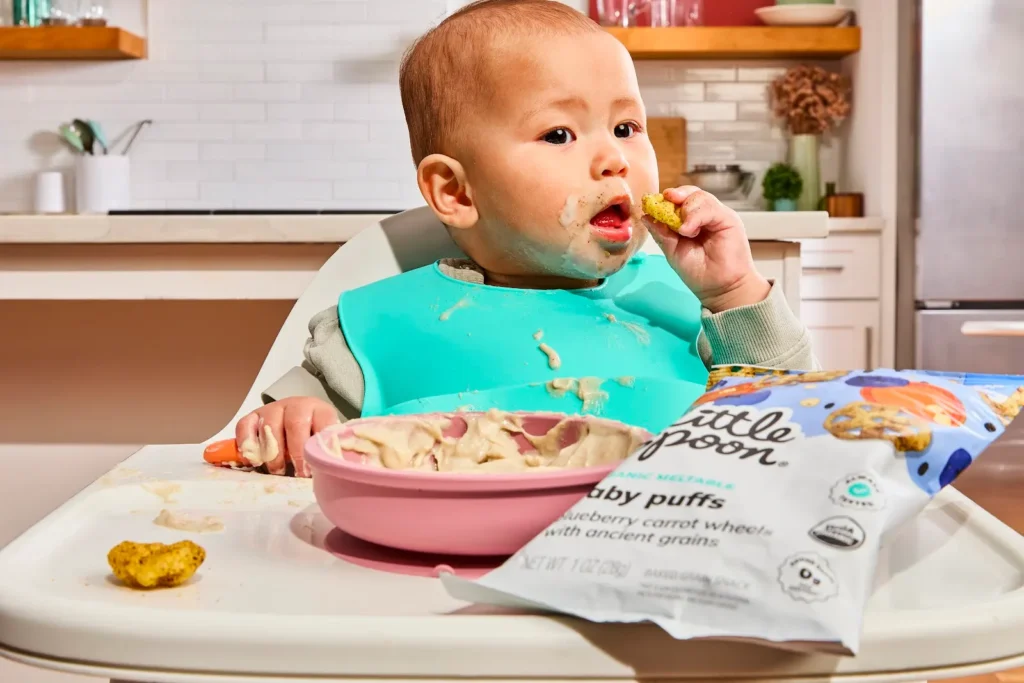
Your baby’s first bites also provide a ton of essential nutrients for growth.
Why first foods matter
Up until 6 months, your baby is getting all their nutrition from breast milk and/or infant formula. But at 6 months, your baby’s nutritional and developmental needs start to change, so it’s important to introduce solid foods alongside their usual milk feeds.
Here’s why those first bites matter:
Your baby needs more iron: Your baby’s iron needs to increase to 11 mg per day to support healthy development. That makes iron-rich foods especially important at this stage. Foods like meat, lentils, eggs, and iron-fortified baby cereal are all great options to work into your baby’s eating schedule.
Your baby is learning how to eat: Starting solids isn’t just about getting food into your baby’s belly. It’s also practice! As your baby explores different textures and foods, they are developing important oral-motor and fine-motor skills, which supports advanced eating, self-feeding, using utensils, and drinking from a cup.
Your baby gets exposed to more nutrients: Breast milk and/or formula continue to provide important nutrition, but solid foods allow your baby to gradually explore a much wider variety of nutrients for healthy development. Think: protein, fiber, omega-3 fatty acids, and probiotics.
What to feed first
Okay, your baby is showing signs that they’re ready to start chowing down—now what foods do you actually feed them? It’s pretty simple. Babies can eat most foods as long as they are prepared in a safe, age-appropriate way (with honey being the big exception before 12 months). That goes for common allergens like peanuts, too. I’ve got a whole guide on introducing peanuts if you want it.
I like choosing simple foods that don’t require much cooking or prep, and I offer a range of nutrients, colors, and textures. Whether you’re starting with purees, baby-led weaning (BLW), or both, here are my favorite foods for getting started:
Iron-rich foods
- Iron-fortified baby cereal
- Chicken
- Beans and lentils
- Eggs
Foods high in omega-3s
- Salmon
- Chia seeds
- Ground flaxseed
- Hemp seeds
Nutrient-dense fruits and veggies
- Avocado
- Berries
- Banana
- Spinach
- Broccoli
- Sweet potato
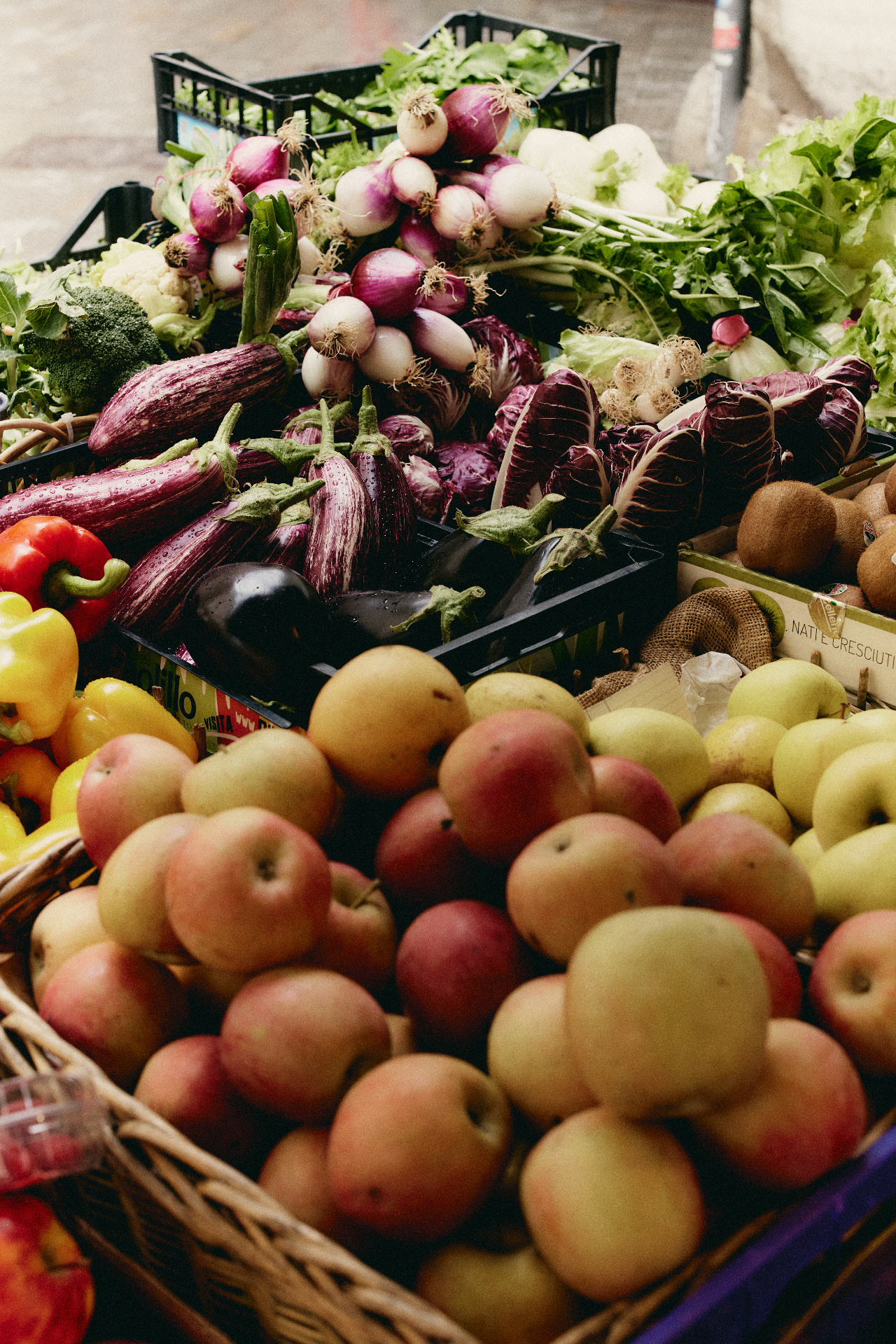
I like choosing simple foods that don’t require much cooking or prep.
Nutritious convenient foods
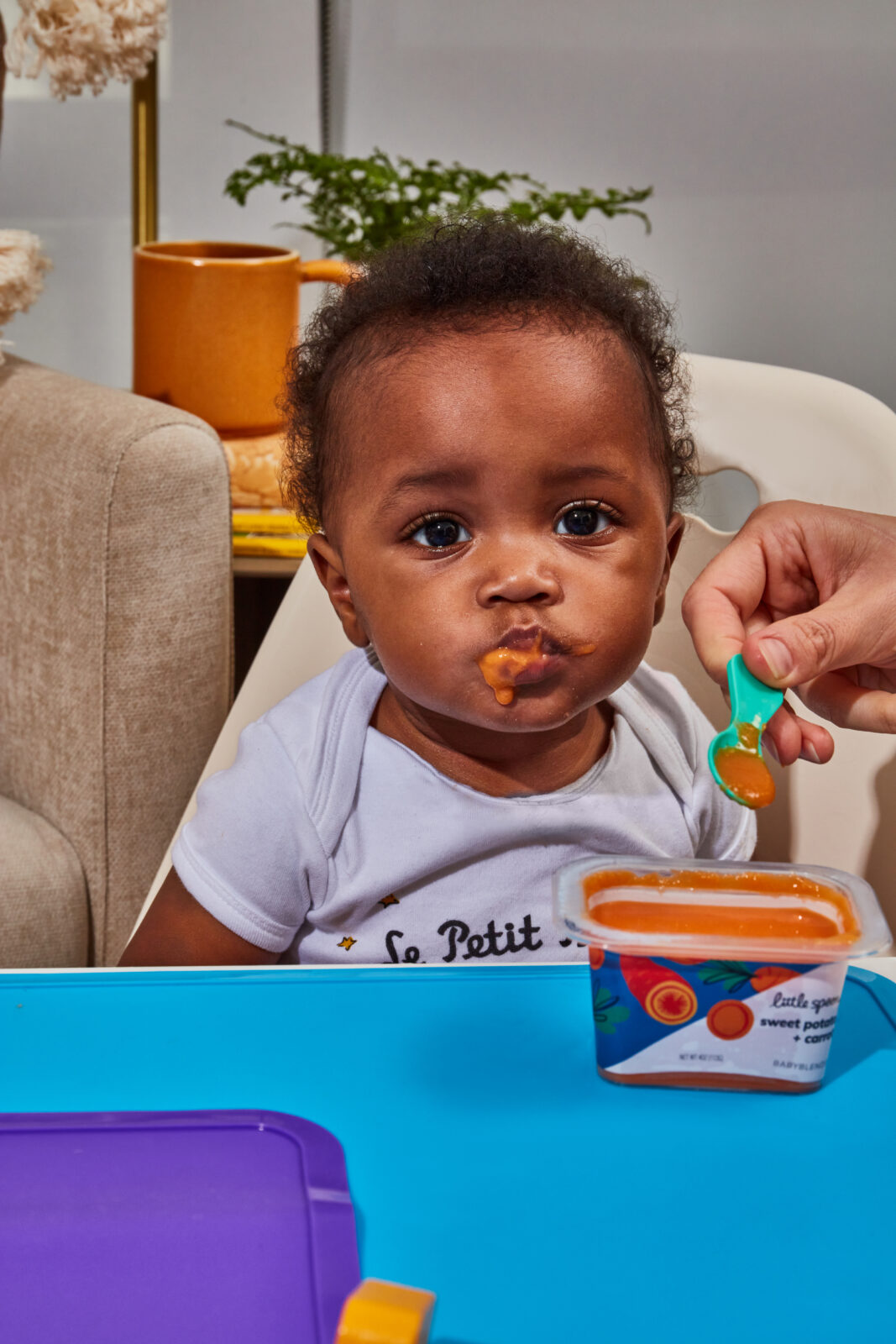
We all need a break in the kitchen. Especially on busy, sick, or coffee-won’t-cut-it days. That’s where Little Spoon Babyblends come in. These purees are ready-to-serve, convenient, and perfect on their own or mixed into recipes for extra nutrition. Here are my favorite ways to serve purees:
- On their own when you need something quick (me, several days a week!)
- Mix into pancake, waffle, or muffin batter
- Add savory-forward purees to sauces, dips, meatloaf, or meatballs
- Freeze into popsicle molds or ice cube trays for future smoothies
- Whisk into egg mixture for french toast
- Spread on lightly toasted strips of bread
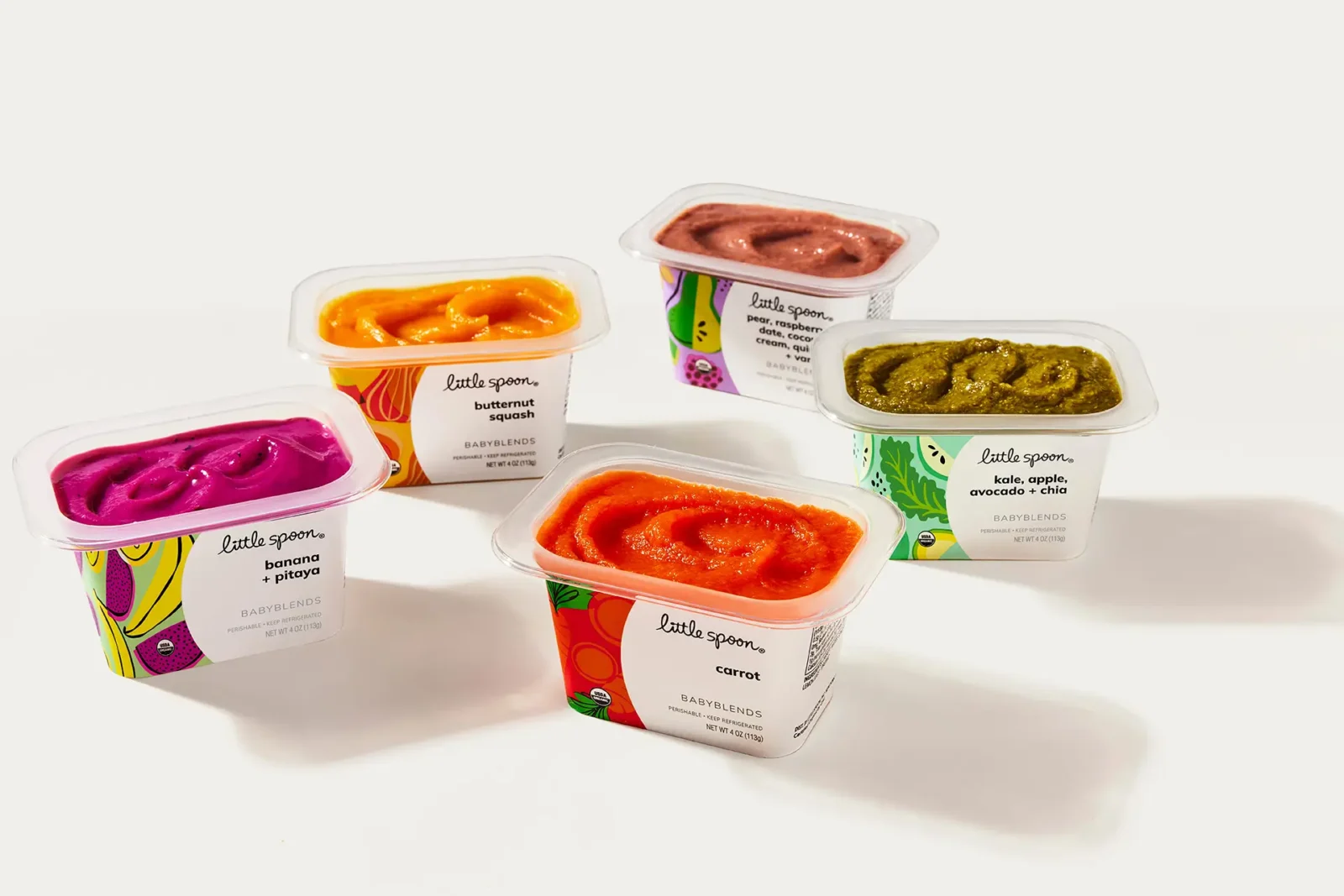
We all need a break in the kitchen.
When to check in with an expert
Every baby develops at their own pace, but if you notice that your baby is not progressing towards these developmental milestones, it’s worth checking in with your pediatrician. They can help you understand what’s typical for your baby and guide you on the next steps for starting solids.
And if you’re feeling overwhelmed by what, when, or how much to feed your baby, you don’t have to figure it out alone. A pediatric dietitian can help you navigate your baby’s nutritional needs, answer your questions, and create a feeding plan that works for your family. And of course, Little Spoon has got your back—with five stages of purees that gradually introduce more complex textures and delicious flavors as your baby grows. We’re here to make your days a little easier.
FAQs
What are good first foods for BLW?
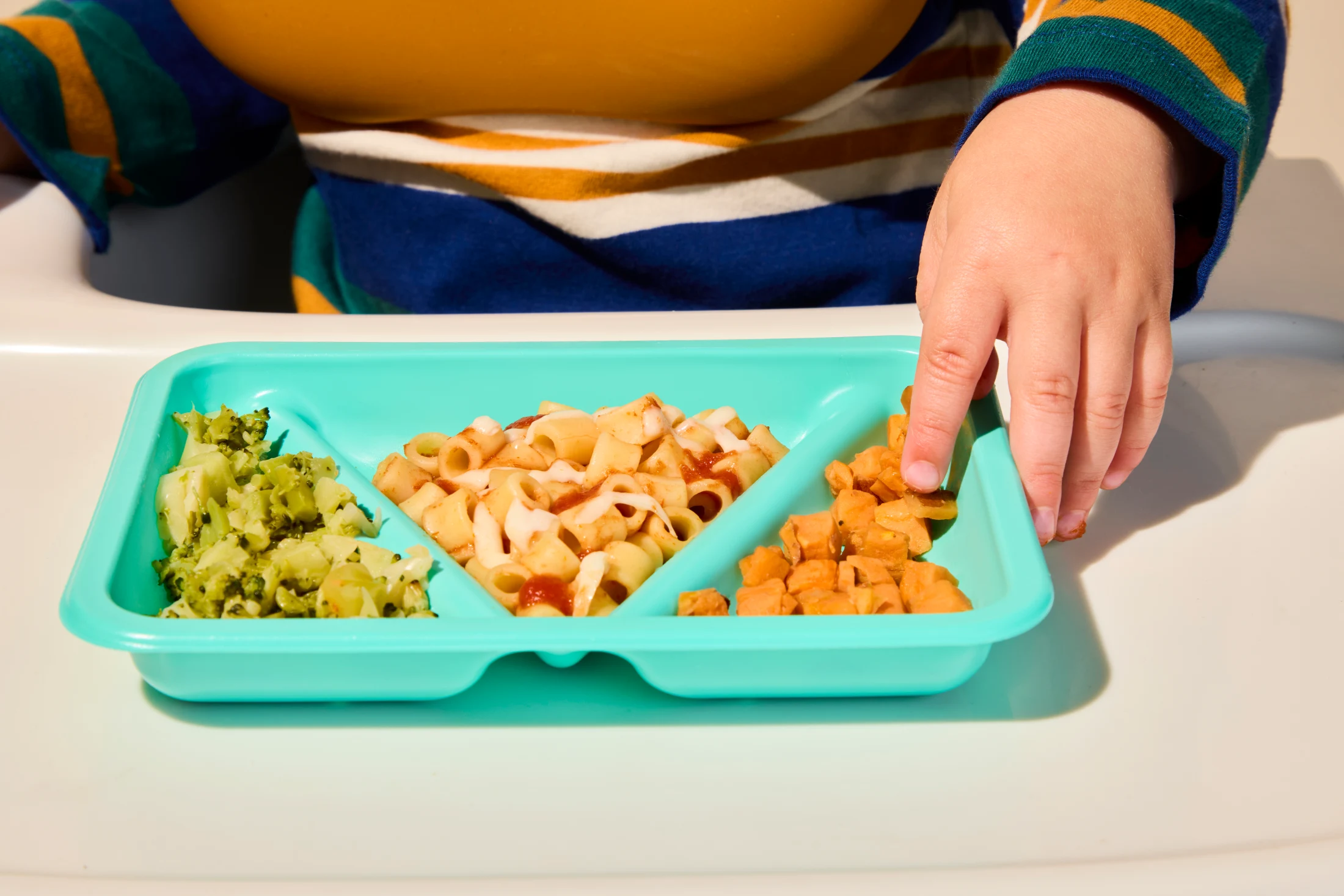
Many parents choose to start solids with soft finger foods and allow their baby to feed themselves, a method commonly known as baby-led weaning (BLW). If you’re going the BLW route, here are some easy-to-prep options:
- Avocado spears
- Roasted sweet potato wedges
- Steamed broccoli florets
- Scrambled eggs
- Oatmeal or yogurt pre-loaded on a self-feeding utensil
How much food does a 6-month-old eat?
Very little, actually. Eating is a new skill and it takes time and practice for babies to eat more than a few bites at a meal.
How many meals should I serve my 6-month-old?
Start slowly and offer one meal each day. If your baby is super interested in eating, you can offer a second meal, too. The goal is for babies to eat three meals of solid food (and one or two snacks, if needed) around their first birthday.