


One day you’re spoon-feeding purees. The next, your baby is on a mission to pick up every crumb on their tray with what appears to be brand-new, weirdly capable little fingers. Messy? Yes. Miraculous? Also yes.
What you’re watching is the pincer grasp in action: the ability to pick up small pieces of food using just the thumb and index finger. It’s the same skill that’ll one day help them button a shirt, zip a jacket, turn a page and stack a tower of blocks.
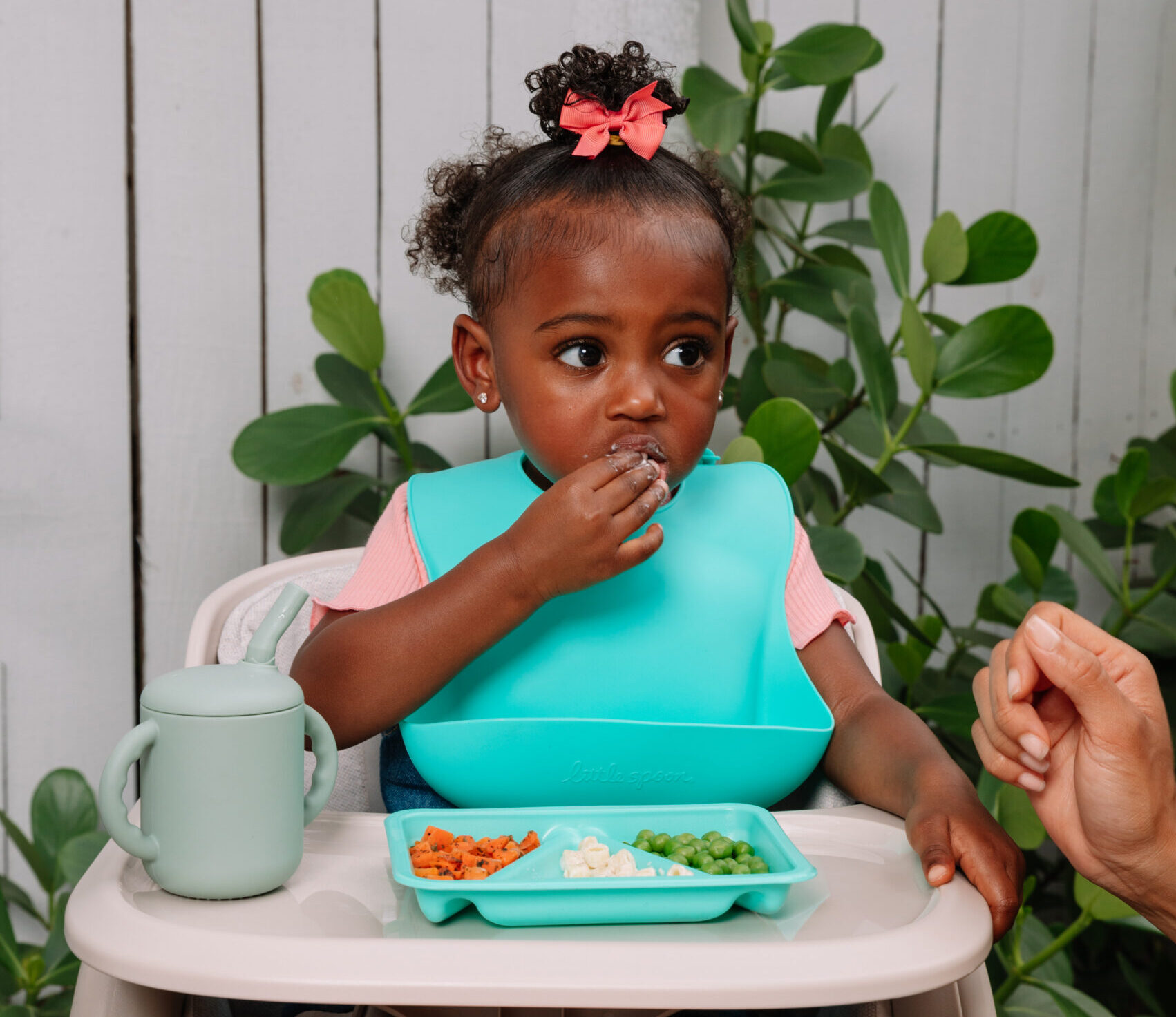
Like any milestone, the pincer grasp gets stronger with practice. And mealtime is the perfect training ground. Offering safe, bite-sized finger foods gives your baby endless reps to pinch, lift and feed themselves, all while building the muscles and coordination behind independent eating.
Here’s what to know: what the pincer grasp actually is, how to help your baby practice it and the best foods to have on hand.
What is the pincer grasp?
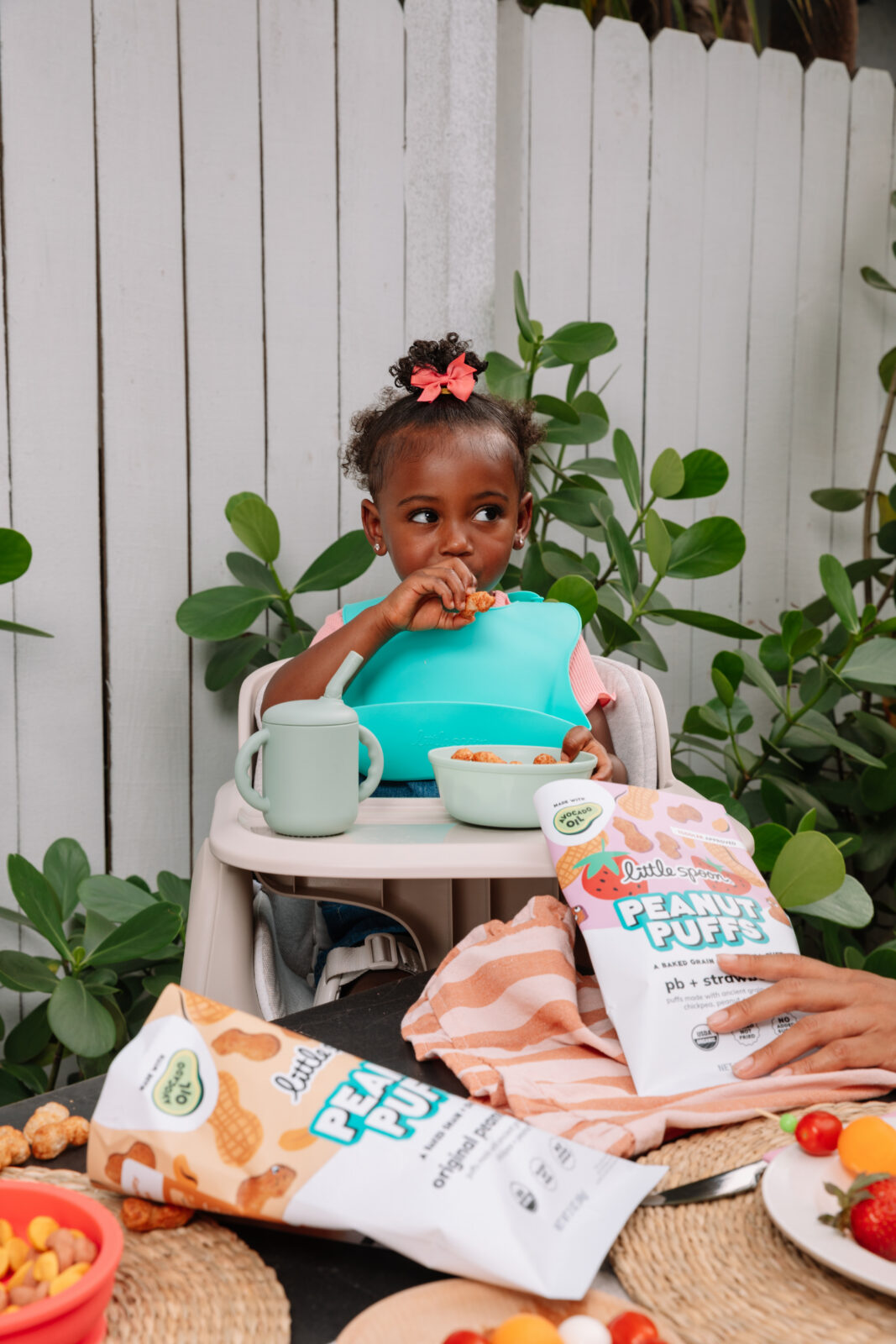
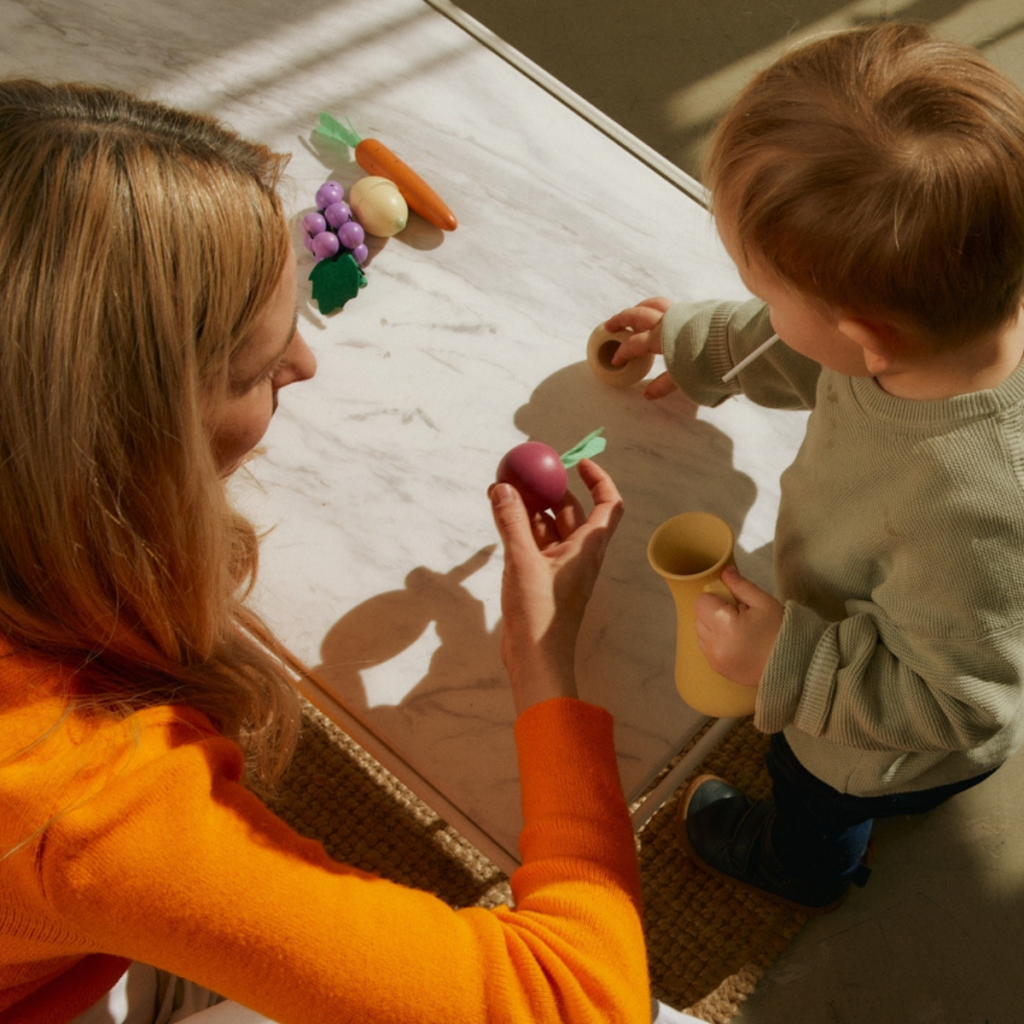
Around 9 months, babies start to develop their pincer grasp, the ability to pick up small pieces of food using their thumb and index finger. Before mastering this skill, babies used their palmar grasp to pick up food, using their whole hand or fist to grab larger pieces, like a strip of lightly toasted bread. As their fine motor skills develop, you may start noticing those tiny, pudgy fingers picking up smaller bits of food, like a bite-sized piece of shredded chicken or O’s cereal. This milestone means your baby is gaining greater fine motor control in their hands and fingers (yay!).
What does the pincer grasp help with?
Basically everything they’ll do with their hands: eating, tinkering, stacking blocks, coloring, turning pages, eventually holding a pencil. And in the near term, it opens up their whole food world: soft diced veggies, fruit pieces, all the little bits that get too fiddly for a whole-hand grab.
How to safely serve foods to support the pincer grasp
Bite-sized doesn’t automatically mean baby-safe. Shape, size and texture all matter, and some of the foods that look pincer-perfect may be choking hazards.
Small round things like grapes, blueberries, cherry tomatoes and chickpeas can slip right into a baby’s airway if they’re served whole, but they’re not off the menu completely! They just need a little prep: grapes quartered lengthwise, chickpeas lightly mashed, blueberries smashed flat.
Texture matters just as much. If it’s hard, tough, gummy, sticky or hard to break down, it’s a no-go. That means whole nuts, popcorn, gummy candies, raw hard veggies and big chunks of meat or cheese stay off the tray. The rule of thumb: if you can squish it easily between your fingers, your baby can handle it.
Pro tip: Some foods are safe but so slippery they turn mealtime into a wrestling match. Mango and avocado are the worst offenders. The fix? Give them a grippy coating. A dusting of baby oatmeal gives fingers something to actually hold onto.
Best foods for pincer practice
Here are some ideas to get you started:
- Pieces of shredded chicken
- Soft tofu bites
- Lightly smashed peas
- Flattened blueberries
- Lightly mashed beans
- Lightly mashed raspberries
- Grapes, quartered lengthwise
- Biteables
- Soft banana pieces
- Ripe avocado cubes
- Soft mango pieces (coated in Little Spoon’s baby oatmeal)
- Steamed broccoli florets (small pieces)
- Diced pancakes or waffles
- Baby Puffs snacks
- Bite-sized flakes of salmon
- Shredded cheese
Little Spoon can support the pincer grasp milestone
The pincer grasp is a huge step toward confident, independent eating. And it’s the kind of skill that gets stronger with reps.
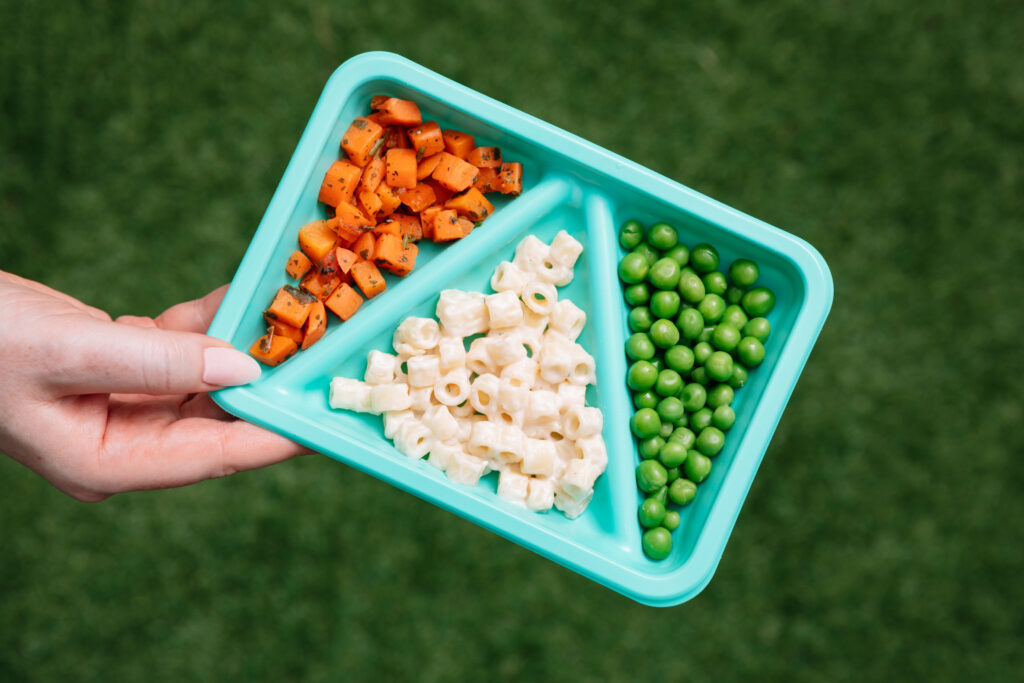
Little Spoon makes it easier to serve up safe, appropriately sized foods that let your baby practice picking up, exploring and tasting their way through new textures. Whether your baby is practicing with Biteables, organic puff snacks, or soft foods paired with organic baby oatmeal for extra grip, every meal is an opportunity to strengthen fine motor skills and nurture your adorable little foodie.
Questions? We’ve got answers.
What is the difference between gagging and choking?
Gagging is an audible, protective reflex that protects babies as they learn to eat. It often involves coughing or gurgling sounds as food is pushed away from the throat. Gagging is normal, expected, and helps prevent choking. Choking is silent and caused by a blocked airway. A baby may appear panicked, start wheezing, or be unable to breathe. Choking requires immediate action.
How can I help my baby practice the pincer grasp?
The best way to support pincer grasp development is to give your baby many opportunities to practice. Offer safe, appropriately prepared finger foods that are small enough to pick up at mealtime. Let your baby explore, touch, squish and attempt to pick up foods at their own pace. With time, practice, and a little mess, those little fingers will get better and better at the pinch!
What if my baby is struggling to pick up small foods?
That’s completely normal! The pincer grasp is a brand-new skill, and like any milestone, it takes time (and plenty of practice) to master. You may see your baby try, miss, squish, drop or get a little frustrated, and that’s all part of the learning process.
Do babies need teeth to eat pincer grasp foods?
No, babies do not need teeth to eat soft, bite-sized foods. Their gums are strong enough to mash soft foods.