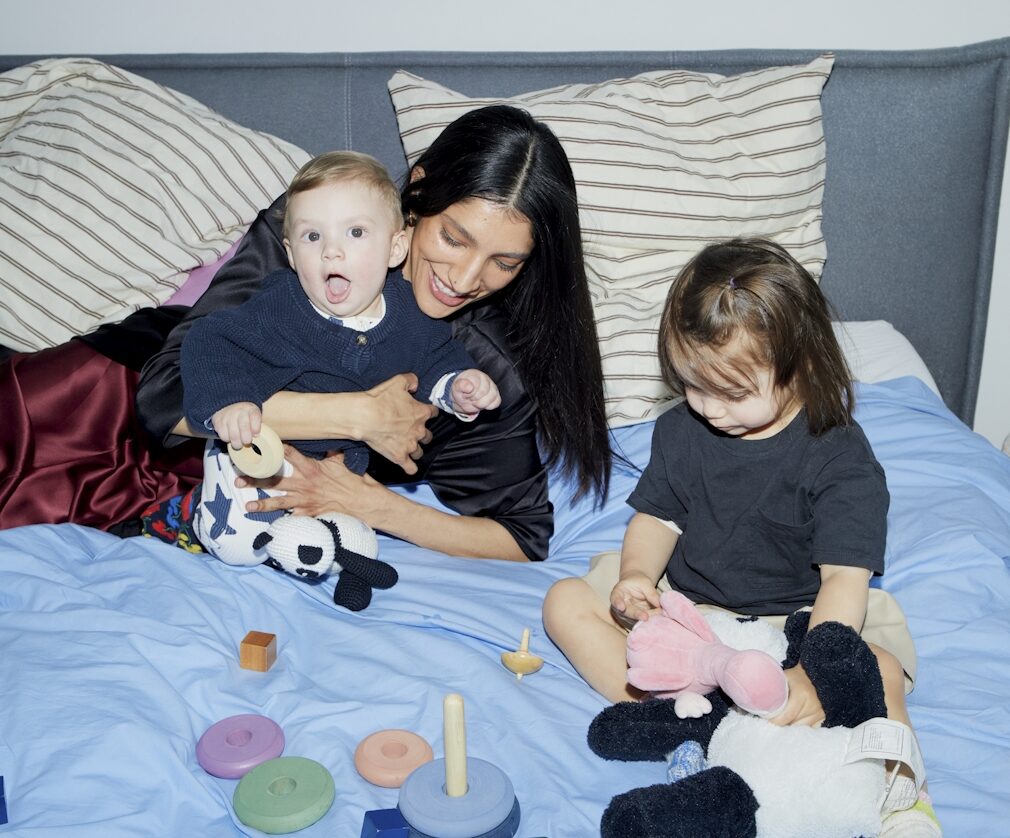



Motherhood is a transformative and rewarding experience. Like most transformative experiences, though, it comes with a LOT of highs and lows and a unique set of challenges. We expect and anticipate the physical recovery, but one of the often-overlooked aspects of maternal well being is a new mom’s mental health. For many new moms, it may feel difficult to think about much beyond simply caring for your baby and surviving—with fragmented sleep and multiple overnight wakes to tend to the baby’s needs par for the course. Perhaps what is less discussed, yet is well researched, though, is the profound impact that sleep—particularly, quality sleep—can have on maternal mental health.
Sleep Impacts Mood
Sleep helps reset our mood. So perhaps it comes as no surprise that lack of sufficient sleep can contribute to mood swings, irritability, heightened stress levels, increased risk for depression, anxiety, and more. Insufficient sleep can also make it difficult to regulate emotions, further contributing to feelings of overwhelm and inadequacy, compounding the challenges of early motherhood. For new mothers, these symptoms may be mistakenly attributed to the challenges of parenting, when in reality, they may be instigated and exacerbated by sleep deprivation. Of course, the reverse is also true: increased anxiety and stress levels can make it more difficult for the brain and body to settle into sleep. And the cycle continues…
PMADs can affect anyone
Hormonal fluctuations, combined with the physical and emotional toll of childbirth, make mothers particularly vulnerable to mental health challenges as well. Given that sleep plays a crucial role in regulating mood, when sleep is compromised, the risk of developing mental health disorders and perinatal mood and anxiety disorders (including Perinatal Depression, Perinatal Anxiety, Perinatal OCD, Perinatal PTSD, and Perinatal Psychosis) rises significantly. In fact, 1 in every 5 new moms experiences a PMAD.
Mom Brain is Real
Sleep is also a key component for cognitive function, memory consolidation, and effective decision-making. Mothers who experience inadequate sleep may find it challenging to focus, make sound judgments, navigate/adapt to change as easily, and cope with the demands of daily life—not to mention, meet their baby’s needs with clarity and confidence. This cognitive impairment can also weaken a new mom’s problem-solving skills, concentration, and attentiveness, and increase their risk for impulsivity and risk-taking behavior.
The Body Tells the Story
Lack of quality sleep impacts our bodies as well—leading to increased risk of heart disease, stroke, diabetes, and obesity, lower sex drive, a lower immune system, and slower healing from injury. Physically caring for a new baby—and mom herself—becomes compromised when sleep quality suffers. But this isn’t just true for adults! Sleep is the #1 best thing for a baby’s brain growth and physical development as well as memory filing, pruning, and meeting developmental milestones.
So, what can we do to help promote sleep and protect maternal mental health?
Recognizing the importance of sleep in maintaining maternal mental health is the first step toward creating a supportive environment for new moms. Healthcare professionals, family members, and partners play a crucial role in encouraging good sleep hygiene and providing assistance to ensure moms have ample opportunities to rest.
Start Protecting Sleep.
Before anything else, we need a mindset shift. For far too long, parenting culture has treated exhaustion like a badge of honor and sleep like a luxury reserved for “someday.” But sleep isn’t indulgent. It isn’t optional. It’s a biological requirement your body depends on to function, heal, and stay mentally strong.
Think of sleep as your brain’s fuel and medicine rolled into one. Just like a body can’t recover or grow without nourishment and care, a brain can’t regulate emotions, process stress, or support decision-making without restorative sleep. When sleep disappears, everything else becomes harder.
That’s why protecting maternal sleep isn’t selfish—it’s foundational. Consistent, restorative sleep supports emotional resilience, sharpens cognitive function, and helps reduce the risk of postpartum mental health challenges. Just as importantly, it gives moms the capacity to show up as the parents they want to be.
And this isn’t just a personal responsibility. Partners, families, workplaces, and communities all play a role in protecting and prioritizing maternal rest. When we shift the narrative and treat sleep as essential care instead of a luxury, we create healthier outcomes for both moms and babies.
Because when a mother feels supported, rested, and cared for, everyone benefits. Parenting becomes more sustainable. Connection deepens. And families don’t just survive early parenthood—they thrive.