



Let’s be honest—fat hasn’t always had the best reputation. For years, it was framed as something to avoid. But when it comes to babies and toddlers, fat isn’t the enemy. In fact, it’s one of the most important nutrients for growth and development.
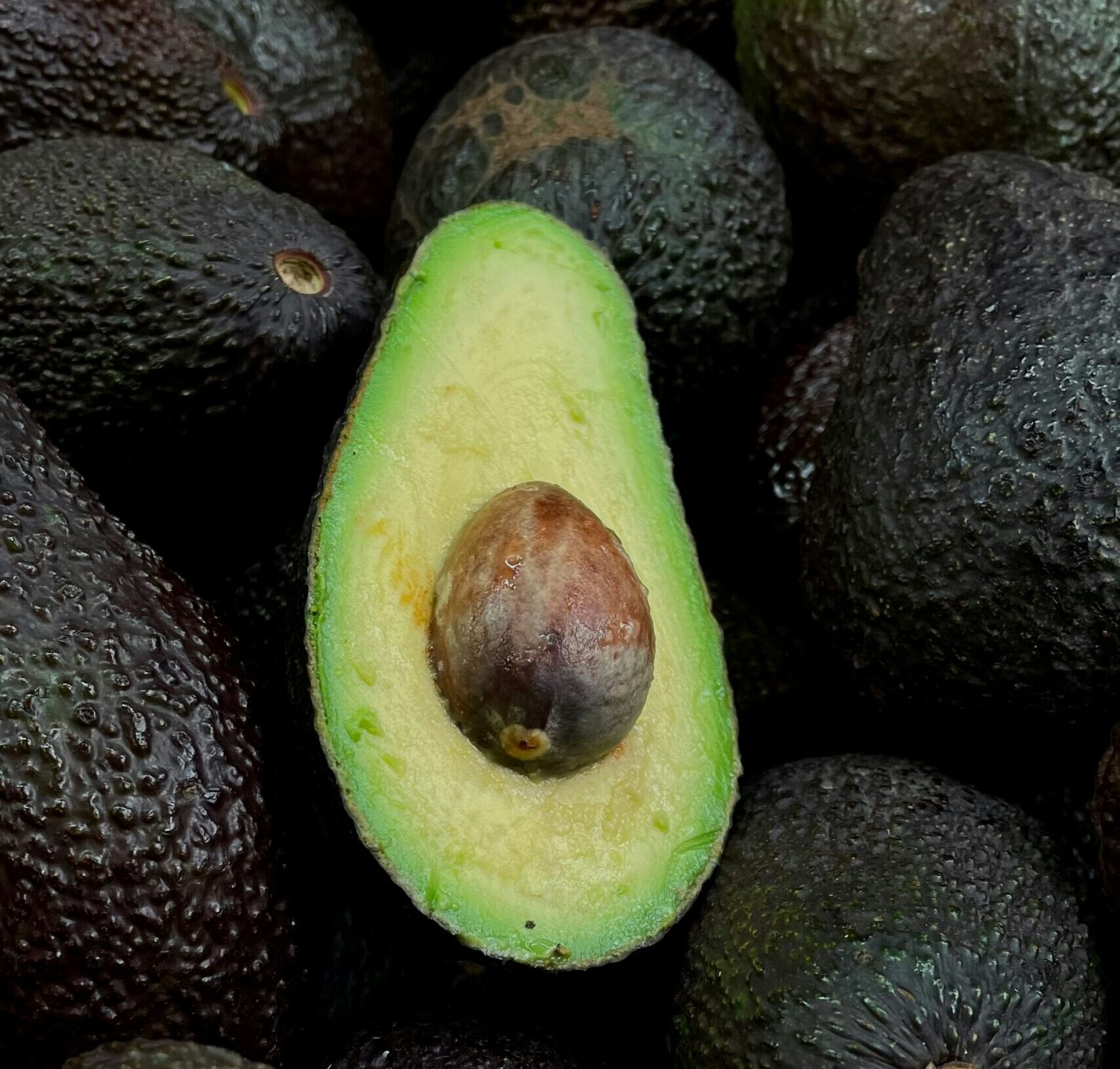
Of course, not all fats serve the same purpose. For young children, the focus should be on monounsaturated and polyunsaturated fats—often called “healthy fats.” You’ll find these in foods like avocado, nuts, seeds, olive oil, fatty fish and eggs. These fats play a critical role in supporting your child’s rapidly developing body and brain.
Here’s why healthy fats deserve a regular spot on your little one’s plate.
Brain development
During the first few years of life, your baby’s brain grows at an extraordinary pace. In fact, nearly two-thirds of the brain is made up of fat, which means dietary fat directly supports this development. Certain fats, especially omega-3 fatty acids, help build brain structure while supporting learning, memory and overall cognitive function.
Foods like avocado, chia seeds, flaxseed and fatty fish such as salmon provide these essential nutrients. Eggs and olive oil also offer valuable fatty acids that support brain health and development.
If your child isn’t quite ready to embrace salmon (totally normal), there are plenty of other ways to incorporate healthy fats into everyday meals. Adding olive oil to roasted vegetables, mixing nut or seed butters into oatmeal or serving mashed avocado alongside meals are simple, effective options.
A powerful source of energy
Anyone who has spent time with a toddler knows they don’t slow down. Between climbing, running, learning and growing, young children burn through energy quickly. Healthy fats help meet those demands in a big way.
Fat provides more than double the calories per gram compared to protein and carbohydrates. That makes it a nutrient-dense source of long-lasting energy, helping keep kids fuller longer and supporting steady growth during this incredibly active stage of life.
Including healthy fats at meals can also help stabilize energy levels and prevent frequent hunger swings throughout the day.
Helps the body absorb key nutrients
Another reason healthy fats matter? Some vitamins simply can’t do their job without them.
Vitamins A, D, E and K are fat-soluble, which means the body absorbs and uses them more effectively when eaten alongside fat-containing foods. These vitamins support vision, bone strength, immune health and overall development.
Pairing vegetables with olive oil, serving fruit alongside yogurt or adding seeds to meals can significantly improve nutrient absorption. Small additions like these make a meaningful difference in how your child’s body uses the nutrients they eat.
Making healthy fats easy to include
Building meals that include healthy fats doesn’t have to be complicated. Whole foods like avocado slices, scrambled eggs, nut or seed butters, full-fat yogurt and olive oil-drizzled vegetables are all excellent options.
Parents looking for convenient, balanced options can also find meals that thoughtfully incorporate healthy fats alongside protein and carbohydrates. Little Spoon meals, for example, are designed to include nutrient-dense ingredients like olive oil, eggs and plant-based fats that support growing bodies while keeping mealtime simple.
The Bottom Line
The goal of feeding kids isn’t perfection—it’s balance. Healthy fats represent a key part of that balance, supporting brain development, fueling active bodies and helping children absorb essential nutrients.
By regularly including healthy fats alongside a variety of fruits, vegetables, whole grains and proteins, you help build a strong nutritional foundation that supports growth, learning and long-term health.
So instead of avoiding fat, embrace it. For babies and toddlers, it’s one of the best ways to support development from the very first bite.