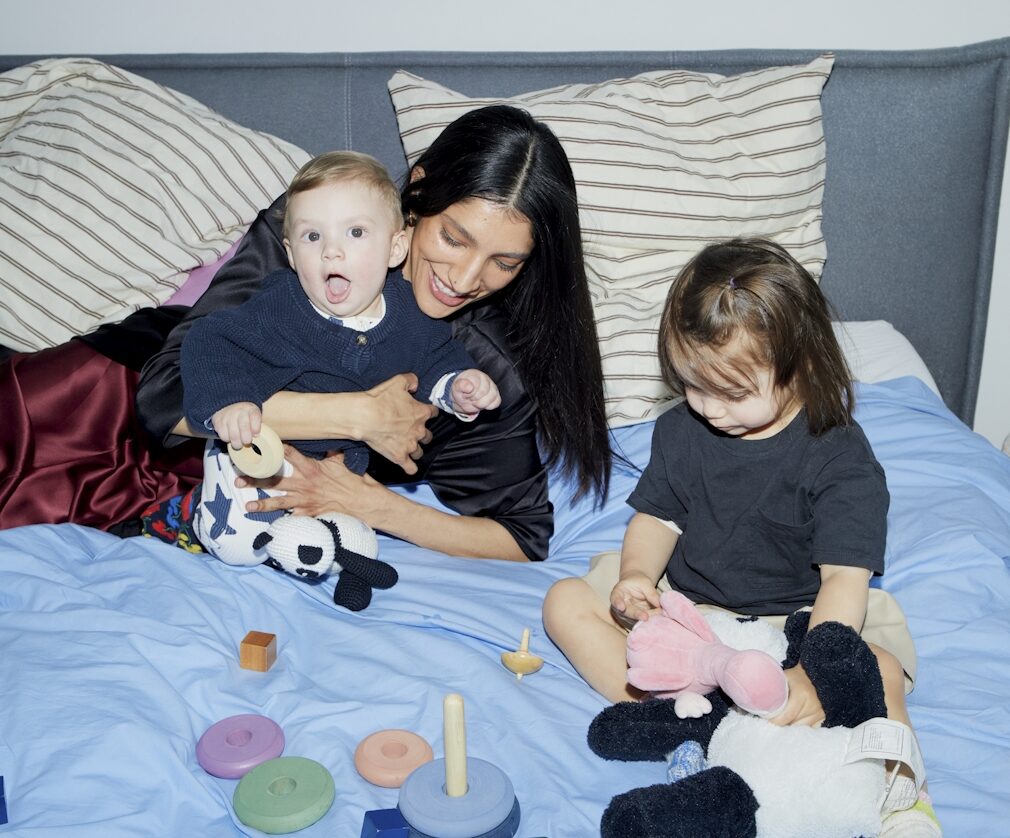




The transition from a crib to a toddler bed is one of those parenting milestones that can feel equal parts exciting and nerve-wracking. You’re watching your baby grow into a big kid, but you’re also wondering if you’ll ever sleep through the night again. We get it—this is a big change for everyone in the family.
The good news? With the right timing, preparation, and a healthy dose of patience, you can make this transition smoother than you might expect. We’ve gathered expert-backed guidance, practical tips, and real-world strategies to help you navigate this new chapter with confidence.
Important Note: The information in this article is for educational purposes and should not replace personalized medical advice. Always consult your pediatrician if you have specific concerns about your child’s sleep or development.
Quick Guide: Crib to Toddler Bed Transition
Before we dive into the details, here’s what you need to know at a glance:
- Timing: Wait until your toddler shows readiness (typically 18-36 months) or safety requires it (climbing out of the crib)
- Safety First: Toddler-proof the entire room, use guardrails, and position the bed away from windows and furniture
- Go Gradual: Convert a crib side first if possible, or introduce the new bed during naptime before nighttime sleep
- Stay Consistent: Maintain bedtime routines and calmly return them to bed when they get up (and they will)
- Make It Special: Let them choose bedding or stuffed animals to create positive associations with their new “big kid bed”
When to Switch From Crib to Toddler Bed
Timing is everything when it comes to the crib to toddler bed transition. According to the American Academy of Pediatrics (AAP), most children are ready to move from a crib to a toddler bed between 18 and 36 months, but there’s no one-size-fits-all answer. Your child’s individual development and safety needs should guide your decision.
Signs Your Toddler Is Ready
Watch for these readiness signals that indicate your little one might be prepared for a big kid bed:
- Climbing out of the crib: This is the most common (and concerning) sign. If your toddler is scaling the crib rails, it’s time to transition for safety reasons, regardless of age
- Expressing interest: They’re asking about “big kid beds” or showing excitement about sleeping like older siblings or friends
- Outgrowing the crib: They’ve reached the height or weight limits specified by your crib manufacturer (typically 35 inches tall)
- Potty training progress: If they’re working on nighttime potty training, easier bed access can be helpful
- Demonstrating understanding: They can follow simple instructions and understand boundaries
When NOT to Transition
Just as important as knowing when to transition is recognizing when to wait. Hold off on moving to a toddler bed during these times:
- Sleep regressions: If your child is already struggling with sleep, adding a new bed will likely make things worse
- Major life changes: New sibling arrivals, moving homes, starting daycare, or other significant transitions should be spaced out from the bed change
- Travel or disrupted routines: Wait until you’re back in your normal routine before introducing this change
- Illness or teething: Let them recover and feel secure before making the switch
The AAP emphasizes that safety should be your primary concern. If your child is climbing out of the crib before 18 months, you may need to transition earlier than planned, but you’ll need to be extra vigilant about room safety.
Step-by-Step Crib to Bed Transition
Ready to make the move? Here’s a week-by-week approach that helps ease the transition for both you and your toddler.
Week 1: Introduction and Daytime Exploration
Start by introducing the concept without pressure:
Days 1-3: Set up the toddler bed in their room alongside the crib if space allows, or convert your convertible crib by removing one side. Let them explore during the day, read books on it, and play. Make it exciting by saying things like, “This is your special big kid bed!”
Days 4-7: Begin naptime in the new bed. Naps are lower-stakes than nighttime sleep, so they’re perfect for practice. Maintain your usual naptime routine, but end it in the toddler bed instead of the crib. If they resist, don’t force it—try again the next day.
Week 2: Nighttime Transition
Days 8-10: Make the full switch to nighttime sleep in the toddler bed. Keep everything else about bedtime exactly the same—same routine, same timing, same books, same songs. Consistency is your best friend right now.
The “Back to Bed” Method: When your toddler gets out of bed (and they absolutely will), calmly and quietly walk them back without engaging in conversation or making eye contact. The first night, you might say, “It’s bedtime. Stay in your bed.” After that, simply guide them back silently. This teaches that getting up doesn’t result in attention or negotiation.
Days 11-14: Continue the routine with unwavering consistency. Most toddlers will test boundaries extensively during this period. Your calm, boring response to getting out of bed is what teaches them the new expectation.
Handling Early Wake-Ups and Wandering
If your toddler starts appearing in your room at 5 a.m., use the same calm return-to-bed approach. Consider using a toddler clock that changes color when it’s okay to get up, or tell them they need to stay in bed until they hear a specific sound (like your alarm or a white noise machine turning off).
Age-Appropriate Reward Systems
For children over 2.5 years, a simple sticker chart can work wonders. Offer a sticker for each night they stay in bed, with a small reward (like choosing breakfast or picking a special activity) after earning a certain number. Keep it simple and immediate—toddlers don’t understand delayed gratification well.
Toddler Bed Safety Checklist
Safety is non-negotiable when your toddler gains the freedom to roam their room at night. According to the Consumer Product Safety Commission, proper room preparation prevents the majority of toddler bed-related injuries.
Essential Safety Measures
Bed Setup:
✓ Use guardrails on both sides of the bed (even against a wall, as toddlers can get wedged)
✓ Keep the bed low to the ground—ideally no more than 2 feet high
✓ Position the bed away from windows, blinds, and curtain cords
✓ Ensure the bed is at least 2 feet from other furniture to prevent climbing
✓ Use a firm mattress that fits snugly in the bed frame with no gaps
Room Proofing:
✓ Anchor all furniture (dressers, bookshelves, nightstands) to the wall using furniture straps
✓ Cover electrical outlets with safety covers
✓ Remove or secure any cords (window blinds, lamps, monitors)
✓ Install a baby gate at the bedroom door if needed for safety
✓ Remove small objects, choking hazards, and anything breakable from accessible areas
✓ Ensure the room temperature is comfortable (68-72°F is ideal)
Bedding Guidelines:
✓ For children under 2: Use a sleep sack instead of blankets when possible
✓ For children over 2: A lightweight blanket is safe; avoid heavy comforters
✓ Skip the pillow until age 2, then use a small, firm toddler pillow
✓ Avoid bumpers, stuffed animals, and excessive bedding that could pose suffocation risks
Monitoring:
✓ Keep a baby monitor in the room so you can hear if they get up
✓ Consider a video monitor to check on them without entering the room
✓ Use a nightlight to prevent falls if they do get up
Think of this as baby-proofing 2.0. Your toddler now has access to their entire room, so everything needs to be safe for unsupervised exploration.
Bedtime Routine for Toddlers During the Transition
Consistency in your bedtime routine becomes even more critical during the crib to toddler bed transition. When everything else is changing, familiar rituals provide comfort and security.
Maintaining Your Routine
Keep the same sequence of events you’ve always used, whether that’s bath, pajamas, teeth brushing, books, and songs. The predictability helps your toddler know what to expect and signals that even though the bed is new, bedtime itself hasn’t changed.
Calming Activities
The 30-60 minutes before bed should be calm and screen-free. According to the AAP, screen time before bed can interfere with melatonin production and make falling asleep harder. Instead, try:
- Reading favorite books together
- Singing lullabies or listening to soft music
- Gentle stretching or “bedtime yoga”
- Quiet conversation about the day
- Cuddling with a special stuffed animal or blanket
The Power of Connection
Spend a few extra minutes connecting during this transition. A little extra cuddle time, an extra book, or a few more minutes of back rubs can help your toddler feel secure in their new sleeping arrangement. This isn’t “giving in”—it’s providing the emotional support they need during a big change.
For more detailed guidance on creating an effective bedtime routine, check out our comprehensive guide on establishing consistent toddler bedtime routines.
Toddler Bed Challenges
Even with perfect preparation, you’ll likely encounter some bumps along the way. Here’s how to handle the most common challenges.
“My Toddler Keeps Getting Out of Bed”
This is the number one complaint, and it’s completely normal. Toddlers are testing their new freedom and boundaries. Your response is what matters:
- Stay calm and boring: Don’t engage, scold, or show frustration. Simply walk them back to bed silently.
- Be consistent: Use the exact same response every single time, even if it’s the 47th time that night.
- Consider a baby gate: If they’re leaving the room and it’s unsafe, a baby gate at the door keeps them contained while still giving them freedom within their room.
- Check the basics: Are they actually tired? Is the room too bright, too dark, too hot, or too cold? Sometimes environmental factors are the real issue.
Bedtime Anxiety
Some toddlers who previously went to bed easily suddenly become anxious in a toddler bed. This often stems from the lack of the crib’s enclosed, womb-like feeling.
Solutions:
- Use a weighted blanket designed for toddlers (following weight guidelines)
- Try a bed tent that creates a cozy, enclosed space
- Leave the door open with a hallway light on
- Use a white noise machine for comfort
- Spend extra time during the bedtime routine providing reassurance
If anxiety persists or worsens, consult your pediatrician to rule out other issues like sleep anxiety or night terrors.
Nap Refusal
Many toddlers who transition to a bed suddenly refuse naps. They realize they can get up, so they do.
Strategies:
- Maintain the naptime routine even if they don’t sleep—quiet time in their room is still valuable
- Darken the room more than you would for nighttime
- Start naptime 15-30 minutes earlier to account for the longer settling time
- Use the same “back to bed” approach you use at night
- Accept that some toddlers drop naps during this transition (typically after age 3)
Sleep Regression After Transition
It’s common for sleep to get worse before it gets better. Your previously great sleeper might suddenly wake multiple times or take an hour to fall asleep.
What helps:
- Give it time—most regressions resolve within 2-4 weeks
- Don’t introduce new sleep crutches (like lying with them) that you’ll need to break later
- Ensure they’re getting enough physical activity during the day
- Watch for signs they’re overtired and adjust bedtime earlier if needed
- Stay consistent with your approach even when you’re exhausted
Remember, sleep regressions are temporary. The key is not creating new habits during this period that will be hard to break later.
Making the Transition Special
While safety and consistency are crucial, don’t forget to make this milestone fun! Your toddler is growing up, and celebrating that can create positive associations with their new bed.
Involve Them in the Process
Let your toddler have some age-appropriate choices:
- Pick out new sheets with their favorite characters or colors
- Choose a special stuffed animal to be their “bed buddy”
- Help arrange their room (where safe items go)
- Select a new nightlight
When toddlers feel ownership over their space, they’re more likely to want to stay in it.
Create a “Big Kid” Celebration
Mark the occasion without making it so exciting they can’t sleep:
- Take a photo of them in their new bed to share with family
- Read a special book about growing up or big kid beds
- Let them show off their new bed to a favorite adult
- Create a simple certificate celebrating their milestone
Use Positive Language
Frame the transition positively: “You’re getting so big! Big kids sleep in beds like this.” Avoid language that suggests the crib was babyish or that they’re being forced to grow up before they’re ready.
FAQs About Crib to Bed Transitions
What age should a child move from crib to toddler bed?
Most children transition between 18-36 months, but readiness matters more than age. Look for signs like climbing out of the crib, expressing interest in a “big kid bed,” or reaching the crib’s height and weight limits. According to the AAP, avoid transitioning during sleep regressions or major life changes like a new sibling or moving homes.
How do I stop my toddler from getting out of bed?
Use the “back to bed” method: calmly and silently return them to bed every time they get up, without engaging in conversation or showing frustration. Consistency is key—use the exact same response every time. Most toddlers stop testing after 1-2 weeks of unwavering consistency. A baby gate at the door can help keep them safe while they learn.
Is it normal for sleep to get worse after switching to a toddler bed?
Yes, temporary sleep regression is completely normal during this transition. Your toddler is adjusting to new freedom and testing boundaries. Most children return to their previous sleep patterns within 2-4 weeks if you maintain consistent responses and bedtime routines. If sleep issues persist beyond a month, consult your pediatrician.
Do I need guardrails on a toddler bed?
Yes, guardrails are recommended on both sides of the bed, even if one side is against a wall. Toddlers can become wedged between the mattress and wall, which poses a safety risk. Choose guardrails that are securely attached and have no gaps larger than 3.5 inches. Keep them in place until your child consistently stays in bed through the night.
Should I use a toddler bed or go straight to a twin bed?
Both options work, and the choice depends on your space, budget, and child’s size. Toddler beds are lower to the ground (safer for falls) and use crib mattresses (cost-effective if you already have one). Twin beds last longer and eliminate a future transition, but they’re higher off the ground. If choosing a twin, use guardrails and ensure the mattress sits low in the frame.
Supporting Your Growing Toddler
The transition from crib to toddler bed is about more than just sleep—it’s a milestone that reflects your child’s growing independence and development. Just like you want to support their physical growth with nutritious meals, supporting their sleep development with patience and consistency sets them up for success.
At Little Spoon, we understand that parenting is full of these transitional moments, from first bites to first beds. While we can’t make the bedtime battles disappear overnight, we can make one part of your day easier. Our Plates and Smoothies are designed to give your growing toddler the nutrition they need to thrive, without the stress of meal planning and prep. Because when you’re dealing with bedtime challenges, the last thing you need is dinnertime stress too.
The crib to toddler bed transition takes time, patience, and consistency, but you’ve got this. Trust your instincts, stay calm during the inevitable testing, and remember that this phase—like all phases—is temporary. Before you know it, you’ll be looking back at photos of that first night in the big kid bed and marveling at how much they’ve grown.
Sweet dreams are ahead for both of you.
Sources:
- American Academy of Pediatrics (AAP) Safe Sleep Guidelines
- Consumer Product Safety Commission Toddler Bed Safety Standards
- National Sleep Foundation Toddler Sleep Recommendations