

Proper nutrition is essential for children ages 1–5, when rapid growth and brain development demand specific nutrients in the right amounts. This guide covers the four most important nutrients for toddlers (ages 1–3) and young children (ages 4–5), with evidence-based daily targets from the American Academy of Pediatrics (AAP) and USDA Dietary Guidelines for Americans. Whether you’re navigating the toddler years or preparing for preschool, these guidelines will help ensure your child gets the fiber, protein, vegetables, and healthy fats they need to thrive.
Important Note: These are general guidelines for healthy children. Always consult your pediatrician or a registered dietitian for personalized nutrition advice, especially if your child has food allergies, medical conditions, or specific dietary needs.
Daily Nutrition Targets for Toddlers
Before we dive into the details, here’s a quick reference guide to help you understand what your little one needs each day:
Essential Daily Targets:
- Fiber: Age in years + 5 grams (e.g., a 3-year-old needs 8g/day)
- Vegetables: 1–2 cups daily for ages 1–5
- Fruits: 1–1.5 cups daily; prioritize whole fruits over juice
- Protein: Approximately 1g per kilogram of body weight (e.g., 23g for a 50lb child)
- Healthy Fats: 30–40% of calories for ages 1–3; 25–35% for ages 4+
- Whole Grains: At least half of grain servings should be whole grains
Quick Reference by Age
| Age | Vegetables | Fruits | Fiber Formula | Fat % Calories |
|---|---|---|---|---|
| 1–2 years | 1 cup/day | 1 cup/day | Age + 5g (6–7g) | 30–40% |
| 2–3 years | 1–1.5 cups/day | 1–1.5 cups/day | Age + 5g (7–8g) | 30–40% |
| 4–5 years | 1.5–2 cups/day | 1–1.5 cups/day | Age + 5g (9–10g) | 25–35% |
Understanding the Basics
For children two and above, the Dietary Guidelines for Americans recommends that they follow a general healthy eating pattern similar to what’s recommended for adults: plenty of fruits and vegetables, healthy sources of protein, whole grains (versus overly processed, refined options), and healthy fats like extra virgin olive oil. The guidelines also recommend limiting trans fats, added sugars, and sodium, all of which can contribute to high blood pressure and other health concerns when consumed in excess.
When it comes to specific nutrients like fiber, fat, and protein, what’s best for your little one truly depends on the individual and their age. The recommendations below are general guidelines to keep in mind, but it’s always best to speak with your healthcare provider to see what’s best for your child’s unique needs.
Fiber for Toddlers
Let’s talk about fiber, one of the most important nutrients that many kids (and adults!) aren’t getting enough of. According to the Centers for Disease Control and Prevention, the typical American isn’t eating the recommended amount of fiber, and that includes our little ones.
Soluble vs. Insoluble Fiber: What’s the Difference?
There are two different types of fiber, and both play important roles in your child’s health:
Insoluble Fiber helps fight constipation and keeps things moving smoothly through the digestive system. You’ll find it in the skins of fruits and veggies as well as whole grains like brown rice.
Soluble Fiber is fantastic for promoting healthy cholesterol levels and blood sugar, reducing the risk for high blood pressure and type 2 diabetes down the road. This type of fiber also acts as food for those healthy bacteria in your child’s gut, which are key players in maintaining a strong immune system. Foods rich in soluble fiber include beans, ground flax, chia seeds, berries, the flesh of apples and potatoes, and oats.
Both types of fiber help your little one feel satisfied for longer after finishing their meal, which can help with energy levels and reduce constant snack requests.
How to Calculate Daily Fiber Needs
The American Academy of Pediatrics recommends this simple formula for children over age 2:
Formula: Child’s age (years) + 5 grams
Examples:
- A 2-year-old needs 7g of fiber daily (2 + 5 = 7)
- A 3-year-old needs 8g of fiber daily (3 + 5 = 8)
- A 5-year-old needs 10g of fiber daily (5 + 5 = 10)
If your little one is tolerating more than that (let’s say a 5-year-old eating 15g/day), that’s more than fine! The key is to add fiber gradually. Eating too much too quickly can lead to an upset stomach, discomfort, diarrhea, or constipation.
Tips for Adding Fiber
Pair fiber with plenty of water to avoid constipation and promote healthy, complete bowel movements. It’s valuable to include a balance of both soluble and insoluble sources of fiber. I don’t like to get too caught up in numbers here, but instead focus on including both types each day.
Best High-Fiber Foods for Toddlers:
- Whole grain oats and oatmeal
- Berries (raspberries, strawberries, blueberries)
- Beans and lentils
- Whole wheat bread and pasta
- Apples and pears with skin
- Sweet potatoes
- Broccoli and other vegetables
Vegetable Servings for Toddlers — USDA Guidelines
We know fruits and vegetables are loaded with antioxidants, vitamins, and other important nutrients, including fiber! In fact, most of your child’s fiber intake should be coming from these foods.
How Many Cups of Vegetables Per Day?
According to the Dietary Guidelines for Americans, the entire US population, regardless of age, is falling behind in the veggie category. Within the 1-8 year age group, the average daily intake is around ½-1 cup of vegetables, with the recommendation sitting somewhere around 1-2 cups/day depending on age.
Here’s the reality: most kids aren’t eating enough vegetables. If you’re struggling with a picky eater, you’re not alone, and it can be incredibly frustrating! There are creative ways you can broaden your little one’s diet and integrate diversity into their eating habits.
What About Fruit?
Kids in the 1-8 year age range are technically meeting their fruit recommendation based on the Dietary Guidelines. However, this statistic includes fruit juice, which I don’t personally agree should be counted! In fact, fruit juice accounts for about 47% of “fruit intake” in children aged 1 to 3 years old.
The problem with juice: Fruit juice doesn’t have fiber in it, which is such an important benefit of eating whole, real fruit. Without fiber, blood sugar rises rapidly, which isn’t great for your little one’s energy, hunger, or bodily inflammation.
The AAP recommends:
- Ages 1–3: Limit juice to 4 oz (½ cup) per day
- Ages 4–6: Limit juice to 4–6 oz per day
- Always prioritize whole fruits over juice
Easy Ways to Increase Veggie Intake
If you’re dealing with a veggie-resistant toddler, try these strategies:
- Blend vegetables into smoothies with sweet fruits
- Add finely chopped or pureed veggies to pasta sauces
- Offer vegetables with favorite dips like hummus or ranch
- Make vegetables fun with colorful presentations
- Model eating and enjoying vegetables yourself
- Keep offering without pressure (it can take 10-15 exposures before acceptance!)
Protein Needs for Children: Daily Requirements by Age
Protein is key for helping your little one feel satisfied at meal and snack times. It’s also crucial for building and maintaining muscles, as well as strengthening immunity. According to the Dietary Guidelines, kids are generally meeting their protein needs, but it’s still important to understand how much your child needs.
How Much Protein Does a Toddler Need?
The AAP recommends approximately 1 gram of protein per kilogram of body weight for toddlers and children. Here’s how to calculate it:
Step-by-Step Calculation:
- Convert your child’s weight from pounds to kilograms (divide by 2.2)
- The result in kg equals the daily protein goal in grams
Examples:
- A 50lb child weighs approximately 23kg and needs approximately 23g of protein daily
- A 30lb toddler weighs approximately 14kg and needs approximately 14g of protein daily
- A 40lb child weighs approximately 18kg and needs approximately 18g of protein daily
Top Protein Sources for Picky Eaters
For reference, 1oz of any animal meat like chicken or fish contains about 7g of protein. So if your child ate 2oz of chicken at lunch (a little less than the size of a deck of cards), that’s already over half their protein goal for the day.
Protein is found in:
- Animal sources: chicken, turkey, beef, fish, eggs, yogurt, cheese
- Plant sources: beans, lentils, nuts, seeds, nut butters, tofu
Quick Protein Reference:
- 1 large egg: 6g protein
- 1 cup whole milk: 8g protein
- 2 tablespoons peanut butter: 7g protein
- ½ cup cooked beans: 7g protein
- 1 oz cheese: 7g protein
Remember, there are many things that can impact protein needs, and these are general recommendations. It’s always a good idea to speak to your healthcare provider about your child’s specific needs!
Healthy Fats for Kids
Thankfully, the general population has started to steer away from the low-fat craze. Instead, the focus has shifted to mindfully incorporating healthy fats into our diets, and this is especially important for growing children.
Why Healthy Fats Matter
Good-for-you fats are essential for healthy brain development, which is happening rapidly during the toddler and preschool years. These types of fats can also reduce inflammation in the body and help your child absorb fat-soluble vitamins like vitamins A, D, E, and K.
Best Healthy Fat Sources for Toddlers
Healthy fats include:
- Extra virgin olive oil
- Avocado and avocado oil
- Walnuts and almonds (finely chopped or as nut butter for young toddlers)
- Ground flax seeds
- Fatty fish like salmon (rich in omega-3 fatty acids and DHA)
- Whole milk dairy products
- Whole eggs (including the yolk!)
Are Eggs Okay?
I often get asked, “Are eggs okay for my toddler?” My answer: yes! Eat the whole egg, please! The yolk has incredibly healthy nutrients like choline that support brain development. The old school of thought was that eating eggs raises your cholesterol. More recent research has negated this fact for most people, and instead focuses on trans fats (think partially hydrogenated oils and fried foods) as the main dietary culprit for high cholesterol. Pasture-raised eggs are becoming pretty popular these days and have even more of those sought-after anti-inflammatory nutrients.
How Much Fat Should a Child Eat?
According to the American Heart Association, the current recommendation for fat in children is:
- Ages 1–3: 30–40% of total daily calories
- Ages 4 and older: 25–35% of total daily calories
This can feel kind of overwhelming to calculate, so I suggest focusing on trying to incorporate some sort of healthy fat into most meals and snacks as a general rule! This could be a drizzle of extra virgin olive oil on vegetables, a few slices of avocado, or a tablespoon of nut butter with fruit.
What About Dairy?
The guidelines traditionally recommend low-fat or no-fat dairy products for children over age 2. However, more and more research shows that eating whole-fat versions in mindful quantities is more than fine. Full-fat dairy allows us to absorb more of the benefits from fat-soluble vitamins and other nutrients present in the meal, and can make children feel more satisfied.
The AAP recommends:
- Ages 1–2: Whole milk to support brain development
- Ages 2+: You can transition to low-fat or skim milk, or continue with whole milk based on your pediatrician’s guidance
FAQs About Toddler Nutrition
How much fiber does a toddler need per day?
Use the formula: age in years + 5 grams. A 2-year-old needs 7g, a 3-year-old needs 8g, and a 4-year-old needs 9g of fiber daily. This simple calculation, recommended by the American Academy of Pediatrics, makes it easy to track your child’s fiber needs as they grow.
How many servings of vegetables should a toddler eat daily?
The USDA Dietary Guidelines recommend 1–2 cups of vegetables per day for children ages 1–5, depending on age and activity level. Aim for variety and include both raw and cooked vegetables in different colors to maximize nutrient intake.
How much protein does my child need?
Toddlers need approximately 1 gram of protein per kilogram of body weight. A 30lb toddler (approximately 14kg) needs about 14g daily, while a 50lb child (approximately 23kg) needs about 23g daily. This is easier to meet than you might think, as most protein-rich foods provide 6-8g per serving.
Should toddlers drink whole milk or low-fat milk?
The AAP recommends whole milk for children ages 1–2 to support brain development. After age 2, you can transition to low-fat or skim milk unless your pediatrician advises otherwise. However, many nutrition experts now support continuing whole milk in appropriate portions for the benefits of fat-soluble vitamins and satiety.
How much fruit juice is okay for toddlers?
The AAP recommends limiting juice to 4 oz (½ cup) per day for ages 1–3 and 4–6 oz for ages 4–6. Whole fruits are strongly preferred because they retain fiber, which slows sugar absorption and provides important digestive benefits that juice lacks.
What are the best sources of healthy fats for kids?
Avocado, olive oil, nut butters (if no allergies), fatty fish like salmon, whole milk dairy, and seeds (ground for toddlers) provide essential fatty acids for brain development. Aim to include a source of healthy fat at most meals and snacks.
Are eggs healthy for toddlers?
Yes! Eggs are an excellent source of protein, choline, and healthy fats. One large egg provides about 6g of protein and supports brain development. The yolk is especially nutritious, containing choline and other important nutrients, so always serve the whole egg.
When should I talk to a pediatrician about my child’s diet?
Consult your pediatrician if your child refuses entire food groups for weeks, shows signs of nutrient deficiency (fatigue, pale skin), has chronic constipation or diarrhea, is not gaining weight appropriately, or has suspected food allergies. A pediatric dietitian can create a personalized nutrition plan for your child’s specific needs.
When to Consult a Professional
While these guidelines apply to most healthy children, it’s important to know when to seek professional guidance. Consult your pediatrician or a pediatric registered dietitian if your child:
- Refuses entire food groups (e.g., all proteins or vegetables) for more than 2–3 weeks
- Shows signs of nutrient deficiency (extreme fatigue, pale skin, brittle hair, frequent illness)
- Has chronic constipation or diarrhea despite dietary changes
- Is not gaining weight or growing appropriately for their age
- Has suspected or confirmed food allergies requiring dietary restrictions
- Follows a vegetarian, vegan, or other restrictive diet
- Has a medical condition affecting nutrient absorption (celiac disease, Crohn’s disease, etc.)
- Drinks excessive amounts of milk or juice (more than 24 oz milk or 6 oz juice daily)
A pediatric dietitian can create a personalized nutrition plan tailored to your child’s specific needs and growth patterns, taking into account any medical conditions, allergies, or feeding challenges.
Making Mealtime Easier for Your Family
I know mealtime can be a huge pain point for so many parents, and no one is going to remember the exact amount of each nutrient for your kiddo. Remember, the general guideline is that children should follow a healthy eating pattern with a variety of fruits, vegetables, protein, whole grains, healthy fats, and high-quality dairy, just like adults!
The key is progress, not perfection. Some days your toddler will eat everything you offer, and other days they’ll survive on crackers and cheese. That’s normal! Focus on offering a variety of nutritious foods, modeling healthy eating yourself, and creating a positive mealtime environment without pressure.
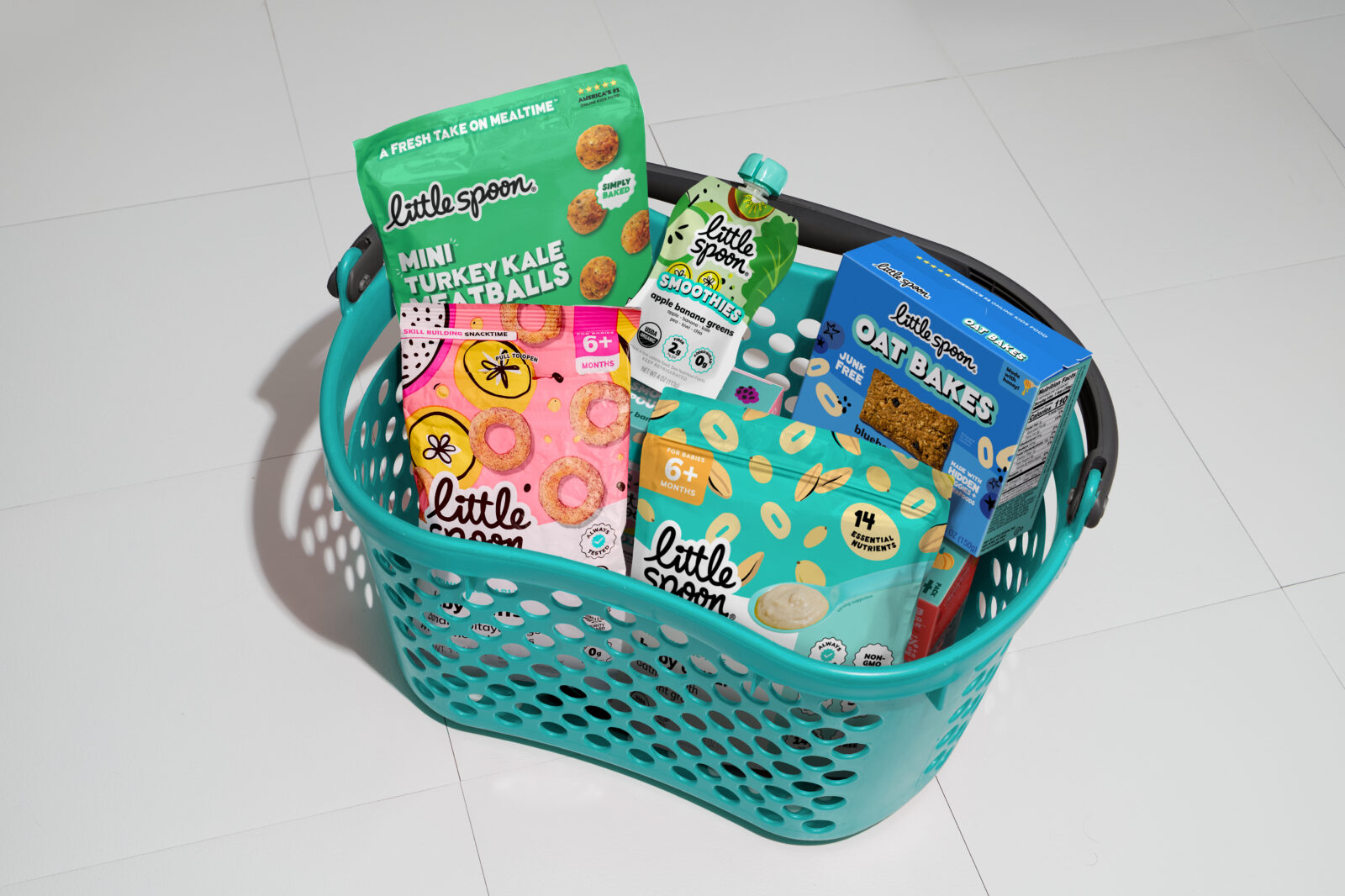
If you’re looking for a way to take the stress and planning out of mealtime, Little Spoon’s toddler and kids’ meals, Plates, are designed to ensure your little one is getting balanced nutrition with one serving of protein and servings of vegetables in each meal. Every recipe is created with these exact nutrition guidelines in mind, using organic ingredients and no preservatives, so you can feel confident you’re giving your child the nutrients they need to thrive.
References
- Centers for Disease Control and Prevention. (2024). School Nutrition Facts. Retrieved from https://www.cdc.gov/healthyschools/nutrition/facts.htm
- U.S. Department of Agriculture. (2020). Dietary Guidelines for Americans 2020-2025. Retrieved from https://www.dietaryguidelines.gov/sites/default/files/2019-05/2015-2020_Dietary_Guidelines.pdf
- Williams, C. L., et al. (2006). Dietary fiber in childhood. National Center for Biotechnology Information. Retrieved from https://www.ncbi.nlm.nih.gov/pmc/articles/PMC3262613/
- American Academy of Pediatrics Committee on Nutrition. (1995). The use and misuse of fruit juice in pediatrics. Pediatrics, 96(5), 985. Retrieved from https://pediatrics.aappublications.org/content/96/5/985
- American Academy of Pediatrics Committee on Nutrition. (1996). Protein needs for children. Pediatrics, 97(4), 499. Retrieved from https://pediatrics.aappublications.org/content/97/4/499
- American Heart Association. (2024). Dietary Recommendations for Healthy Children. Retrieved from https://www.heart.org/en/healthy-living/healthy-eating/eat-smart/nutrition-basics/dietary-recommendations-for-healthy-children